Paradigm Shift in Microbiological Testing: Why the FDA Recommends Adopting Rapid Microbiological Methods (RMM) in Parallel
Updated: Apr 30
Microbiological Testing Remains Stuck in the Past
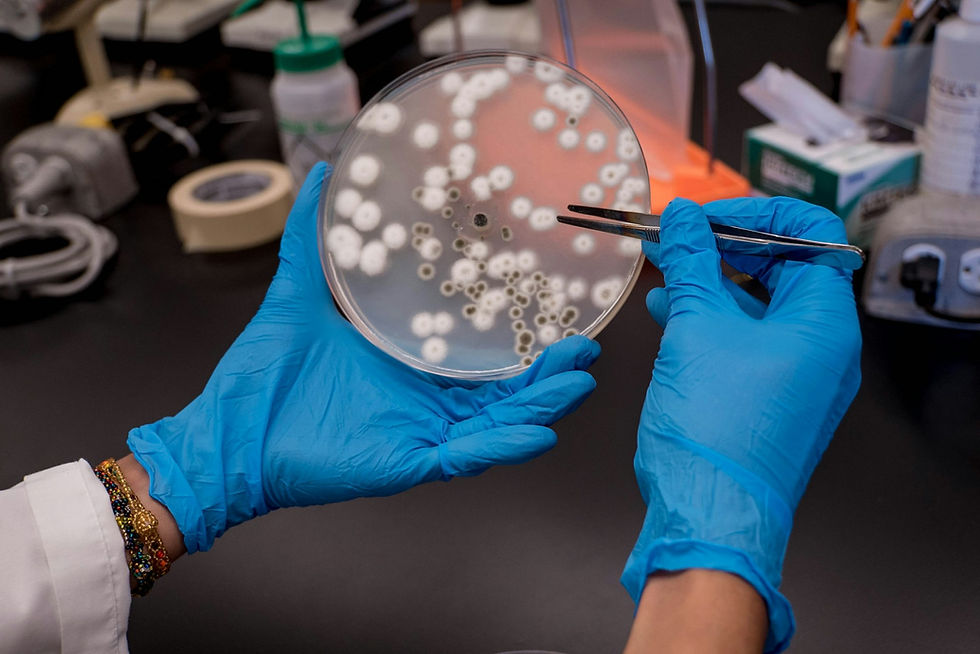
In pharmaceutical, Ultrapure Water (UPW), Food and Beverage (F&B), and water treatment processes, microbial contamination is the most fatal risk. If contamination occurs during the process, it leads to massive financial and time losses, as all products manufactured on that line must be discarded before reaching consumers. Surprisingly, however, microbial and sterility testing in industrial fields still heavily relies on the traditional 'Culture Method.' This involves taking a sample and waiting anywhere from 48 hours up to 14 days for the bacteria to grow in an incubator before visually confirming the results.
Process Control That is Reactive Rather Than Proactive
The biggest blind spot of this traditional method is the time delay. By the time a positive result for bacteria is received 48 hours later, it is highly likely that the contaminated water has already passed through numerous processes and been finalized into the end product. In other words, the existing testing method does not prevent contamination early on to avoid large-scale disposal; it is merely a reactive measure that belatedly confirms an accident and loss that have already occurred.
Regulatory Shifts: Parallel Use of Traditional Methods and Rapid Microbiological Methods (RMM)
To prevent such massive industrial losses, regulatory bodies like the US FDA and the United States Pharmacopeia (USP) have recently been strongly urging the adoption of Rapid Microbiological Methods (RMM).
In particular, maintaining the traditional culture method for final regulatory compliance reporting while integrating RMM technology for real-time Early Warning during intermediate processes—a 'Hybrid approach' (parallel use of traditional and rapid methods)—is becoming the new global standard for quality control.
THE WAVE TALK Culti-ALERT 500
THE WAVE TALK provides the perfect answer to this new paradigm demanded by regulatory agencies. Our high-speed bacteria detector, the 'Culti-ALERT 500,' combines laser optical signals with AI deep learning, drastically reducing the bacteria detection time from the conventional 48 hours to under 6 hours.
Real-Time Process Control: Immediate decision-making is possible without having to wait days for culture results, preemptively blocking contaminated water from moving to the next process and causing large-scale product disposal.
The Perfect Hybrid Partner: Without the regulatory burden of completely replacing existing culture procedures immediately, it acts as the optimal Early Warning system running in parallel with conventional systems to secure the 'critical window' of the process.
A New Paradigm in Microbiological Testing
The paradigm of microbiological testing is already changing. The transition to the hybrid system (parallel use of rapid methods) suggested by regulatory agencies is no longer an option, but an essential quality control strategy to prevent process losses. THE WAVE TALK’s Culti-ALERT 500 will serve as the most realistic and innovative alternative, securing the critical window preemptively while maintaining the regulatory stability of existing processes. THE WAVE TALK will work with you to establish a new standard for safer and more efficient quality control.


